A personal turning point in life, dissatisfaction with employment and a good business idea prompted Julius Grennigloh to start his own company. He had no experience with this - but he had a lot of determination and perseverance. Here he talks about his entry into entrepreneurship and the many emotions that arise in such a start-up phase.
Times of crisis are times of start-ups - this is currently also being confirmed in Germany: the number of newly founded startups rose slightly again last year despite the ongoing mood of crisis. The hotspots continue to be large cities, especially Berlin and Munich, as well as research-related locations. The software, medicine and food sectors are particularly booming. This is what the Startup Association’s German Startup Monitor 2024 shows. It is also conceivable for many young people to become self-employed or start their own company. According to the Bertelsmann Foundation's Global Entrepreneurship Monitor 2023, almost one in two people are interested in it, men more than women. However, significantly fewer of them actually take the step. Many are insecure, have no confidence in their own skills, doubt the necessary knowledge and shy away from the stress that comes with starting a business.
How can these hurdles be overcome? Entrepreneurial thinking and acting are rarely born in the cradle and Germany is not exactly known for a start-up-friendly culture. Administrative processes and application procedures for funding programs usually take significantly longer than abroad; While the process from the beginning to the registration of a company in Estonia is often completed in less than half an hour, in Germany you have to plan up to four weeks. In addition to a positive image of entrepreneurship and easier access to resources, it takes a lot of courage and self-confidence.
Time and self-management are important: In the beginning, you often sit at your desk until midnight and have a hard time switching off before going to bed - that gets on your nerves. So I also had to learn to structure myself well and prioritize tasks.
Find your start-up idea based on your own needs
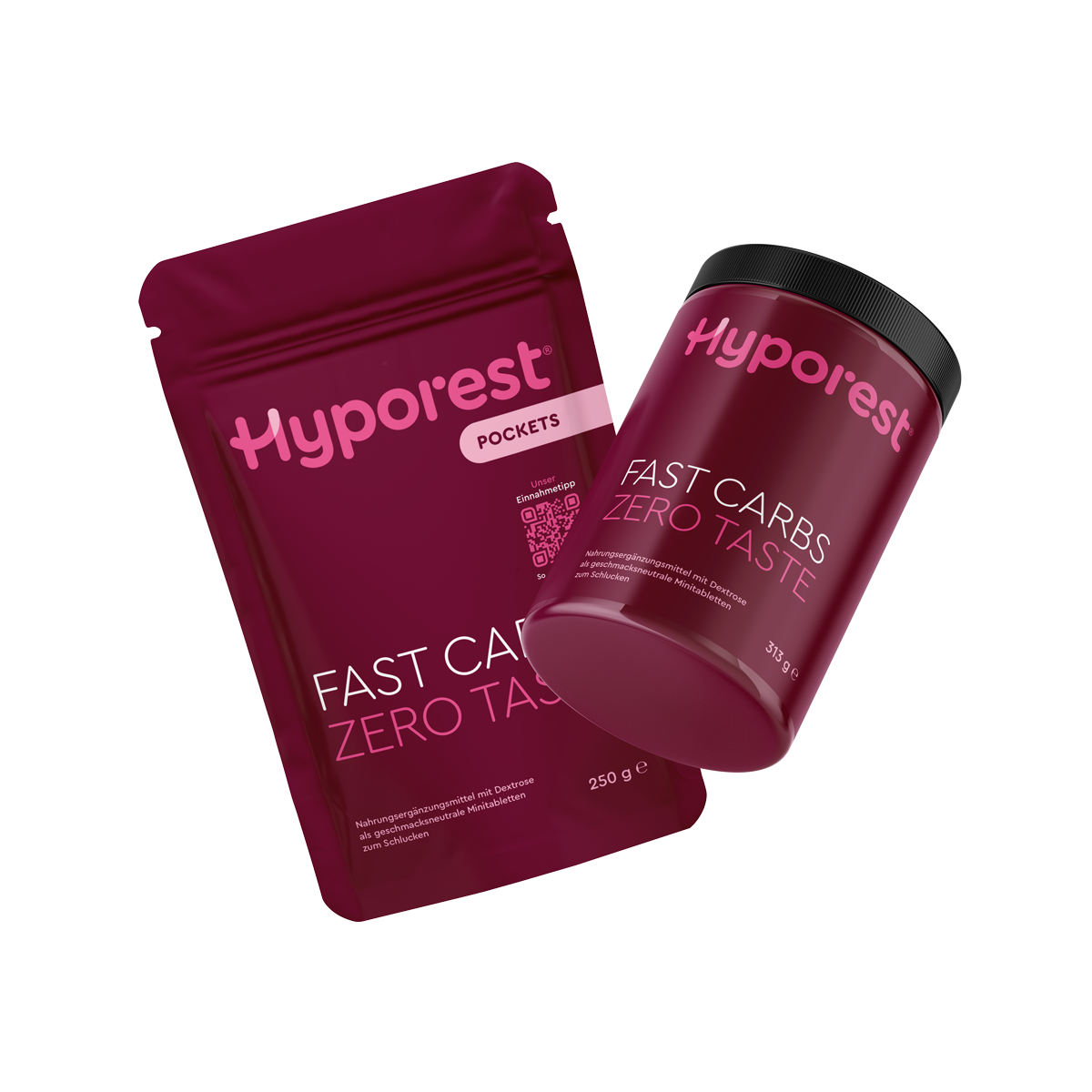
My founding idea arose out of my own needs. In 2018 I was diagnosed with type 1 diabetes. I felt weak for a long time and was unusually thirsty, so I had my blood taken. As if the chronic illness itself wasn't enough of a shock, it came at the worst possible time - parallel to starting a new job. Onboarding included measuring blood sugar, counting carbohydrates and injecting insulin. What bothered me the most: Eating without having an appetite and reaching for fast-acting but unhealthy, sugary foods at any time of the day or night. The addictive mechanism of sugar, largely caused by the sweet taste and its effect on the body's own reward system, led to me, who had hardly ever eaten sweets before, starting to snack every now and then - even without low sugar. This quickly becomes a habit. This is how I came up with the founding idea: the development of a dextrose product that does not produce a sticky-sweet taste in the mouth, does not attack the teeth and at the same time is quickly utilized by the body - a gap in the market.
The path from the idea to implementation and ultimately to being an entrepreneur was rocky. From the first prototype to the patent application to the start of sales, many things ended up being completely different than expected. I started the project alongside my full-time job, without any experience in founding. I benefited from business knowledge and professional experience in the areas of auditing and finance. Nevertheless, the step of building something of your own from scratch is a much greater challenge than working within existing structures. You start on a blank sheet of paper, with no opportunity to orient yourself to what already exists.
I got inspiration from my father, a former building contractor - after all, he had already co-founded a company - and entrepreneur friends. A piece of advice at this point: exchange ideas with others right from the start and build a network. The first challenge didn't take long to arrive: working full-time and starting a business are difficult to reconcile. At the same time, I had to check whether the product could actually be implemented according to my ideas, find a product manufacturer and ensure that the costs were feasible. At the beginning I had no structure whatsoever and was forced to proceed according to the “learning by doing” principle. Classic internet research, cold calling, reactivating old contacts, experimenting with the tablet press at home. I then got to the point where one producer made samples - but larger batches didn't work. A months-long hang-up, short-term outsourcing to a partner company, a lot of wasted product and a four-figure loss
Bad investments followed. Two decisions were important at this stage: quitting the permanent job and changing producers to start over.
Production is now underway a year later than planned, but continuous improvements are still necessary and not everything is possible. What has been confirmed, however, is that well-known manufacturers with years of experience in the market and large production capacities offer more planning security and reliability, which is particularly essential for young companies that cannot afford too many missteps at the beginning. I also underestimated how to deal with new media. On social media you are quickly penalized if the content does not meet the criteria. This includes the correct language regulation: what am I legally allowed to communicate? “Learning by doing” can be expensive here, so it’s better to do a few more rounds (with a lawyer) before you get started.
Falling down and getting up again
What helped me get through weeks of disappointment and demotivation was the mindset that such phases are part of the journey - you have to endure them if you fundamentally support your idea. There is now so much passion and passion in the business that I no longer think about quitting. Of course, this is easier said than done when your own existence depends on the success of your start-up.
I had support from an entrepreneur friend who works in a similar environment - I was able to ask him a lot of questions about choosing the right partners, registering patents and legal requirements. Founder networks are also good contact points - in retrospect, I used them far too little. The same applies to start-up scholarships and grants.
In general, it is advisable to concentrate on your strengths and outsource things that require a lot of specialist knowledge or are time-consuming. For example, my father took over the accounting. I had a lot of experience in this area, but the work is extremely time-consuming and so I can concentrate on other things. An agency also supports me with website and marketing.
Time and self-management are also important: In the beginning, you often sit at your desk until midnight and have a hard time switching off before going to bed - that gets on your nerves. So I also had to learn to structure myself well and prioritize tasks. I also try to take regular mental breaks from daily business: with simple things like reading, going for a walk and doing sports.