This year our team was at the #dedoc “Hands-on Diabetes” events for the first time. We asked Leonie Busch, Head of Communications DACH, a few questions about the international community.
Leonie, what does #dedoc° stand for and what is the community’s goal?
The German Diabetes Community #dedoc° brings the voices of people with diabetes to where decisions are made: in science, in society, in politics. With the world's largest scholarship program of its kind, we have brought over 400 people from more than 100 countries to the most important international diabetes conferences as #dedoc° voices since 2020 - not just as participants, but as speakers, bloggers and inspirational providers.
We create visibility through formats such as Virtual World Diabetes Day, our own symposiums and conferences, as well as through media partnerships with DIE ZEIT, the Frankfurter Allgemeine Zeitung, the Diabetes Guide or the Pharmacy Umschau - for experiences, questions and demands from the community.
What drives us: better care, less stigma, real voice.
Because for us, we are not just talked about. We'll talk to you. #NothingAboutUsWithoutUs
You host the “Hands-on Diabetes” live events. Why is it important to bring the local community together?
“Hands-on diabetes” brings people with diabetes together - to get to know different systems, share experiences and ask questions that often don't find room in everyday life. Because anyone living with diabetes has to make treatment decisions on a regular basis - often without the opportunity to really compare different systems. That's why we've created an event format that addresses exactly that: technology is made tangible, and people with diabetes share their individual experiences directly with one another. This creates a basis for decision-making that goes far beyond brochures and consultations.
And: As much as is possible digitally, real encounters cannot be replaced. Anyone who has ever seen people meet live for the first time at “Hands-on Diabetes” even though they have known each other online for a long time knows what these moments mean.
These conversations create trust, understanding and often genuine relief. It's different to come face-to-face with a person who truly understands what it means to live with diabetes - because he or she is doing it himself.
What experiences do you gain locally in exchanges with people with diabetes?
What's special is that it's not about technical lectures from above, but about encounters at eye level and dialogue. Many participants say: “Finally someone here understands what it’s really like.” Others tell us that for the first time in a protected environment they were able to ask all the questions that might otherwise make them uncomfortable or often have no place in everyday life. This openness, this mutual listening and understanding – that is the heart of our events and empowerment in the best sense.
Health and nutrition is a topic that is particularly close to your heart - in your experience, what can both do for people with diabetes? And what is your opinion on the topic of sugar consumption in connection with hypoglycemia?
Nutrition can be a powerful tool - but only when people don't feel alone. We believe: It's not just about individual behavior, but also about the general conditions. If you want to eat healthily, you need access to understandable information, affordable food and offers that can be integrated into everyday life.
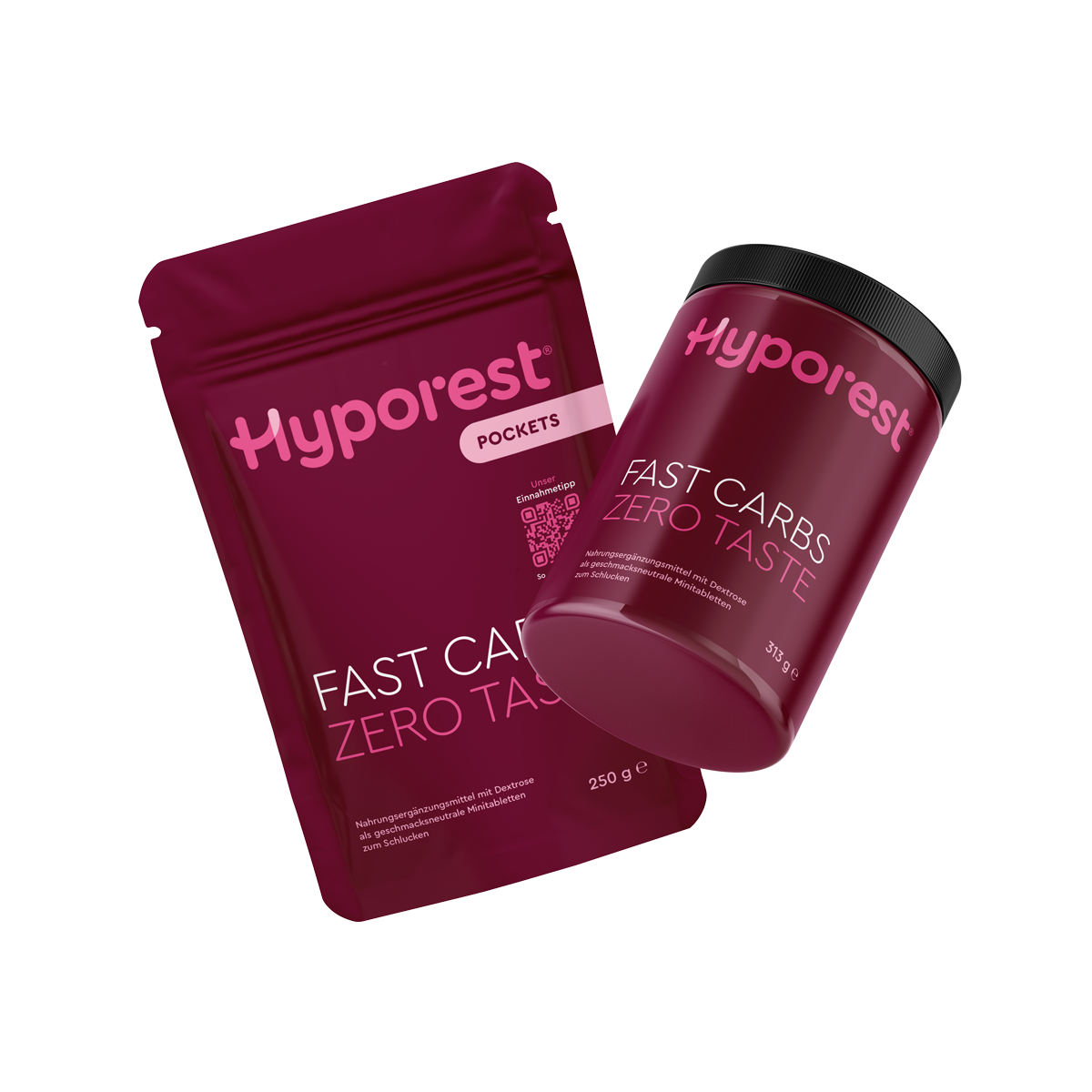
This also applies to the issue of hypoglycemia. Hypo is not the result of “wrong” behavior, but rather part of a complex illness. The fact that there are now tooth-friendly, taste-neutral products like Hyporest is proof of how much potential there is in innovations from the community. It takes both: good products – and an environment that supports people with diabetes instead of judging them. That's why we focus on information and exchange, not on moral categories.
What can the German community learn from international communities – and vice versa?
In Germany there is a lot of experience with structured self-help offers. Internationally, we are experiencing more openness in dealing with issues such as stigma, mental health and discrimination. Both have value. With our #dedoc° voices program we combine these perspectives. Because no matter where you live – the questions and challenges are similar. Together we are stronger.
What is your message to people with diabetes?
You are more than your blood sugar level. Your experiences are important. Your vote counts. You have the right to be heard - in conversations with your doctor as well as in health policy. That’s what #dedoc° stands for. And that's why we say: language makes a difference. It can strengthen – or hurt. We want it to be empowering.