TL;DR – The key points in 5 bullet points
- According to the DGE, a balanced diet consists of about 75% plant-based foods and 25% animal-based foods.1
- At least 50% of daily energy intake should come from carbohydrates—preferably complex carbohydrates.2
- It is recommended to eat 5 servings of fruits and vegetables per day (about 650 g).3
- For a diverse microbiome: 30 different plants per week.4
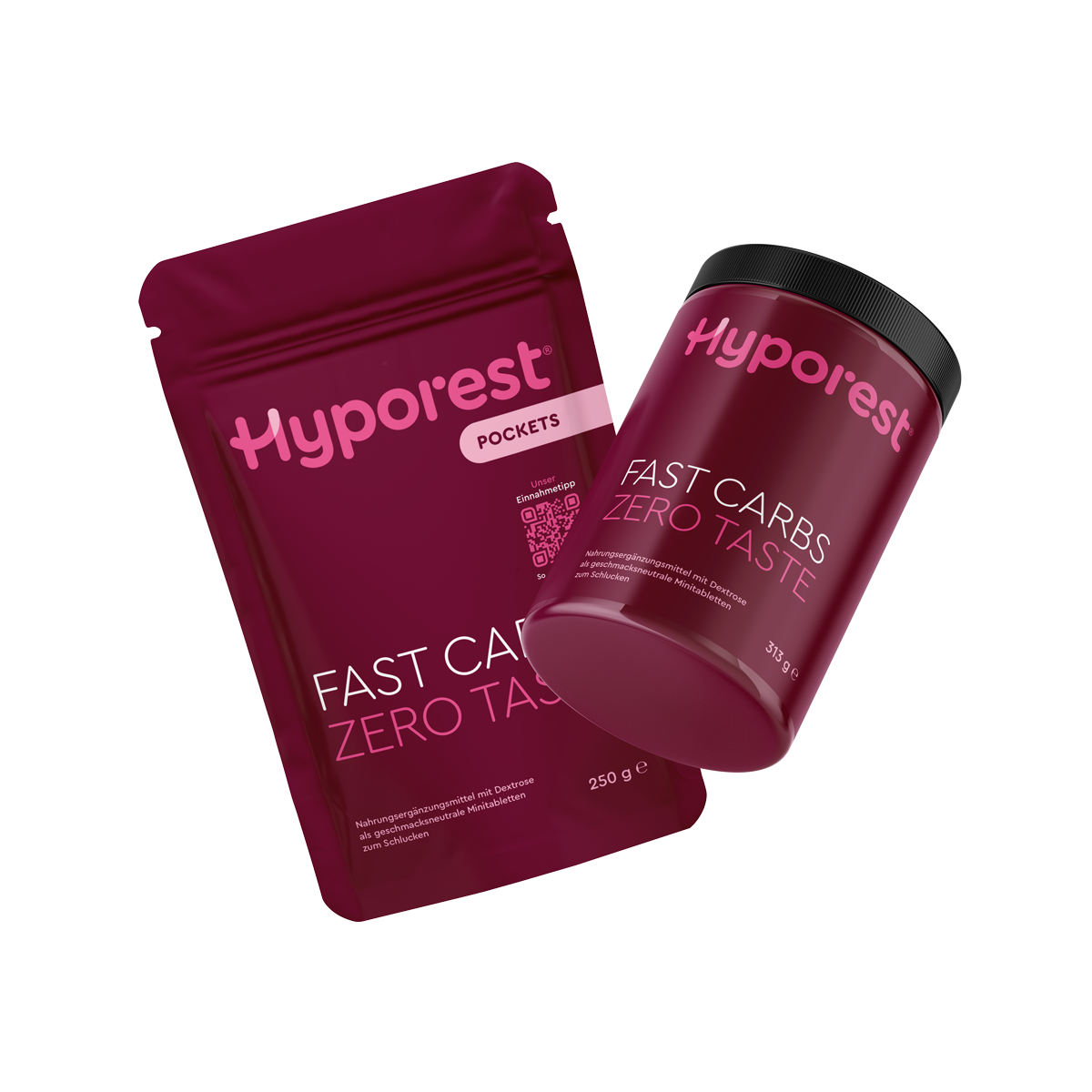
- When you need a quick source of carbohydrates, flavorless Glucose-Alternatives: an option without a sweet trigger.
Many people take a closer look at their diet during Lent or around Healthy Eating Day on March 7. A balanced, plant-based diet can support the immune system, help reduce inflammation, and improve quality of life.
What makes up a balanced diet?
A balanced diet provides the body with all the necessary macronutrients and micronutrients in the right amounts—not too much, not too little. Since 2024, the German Nutrition Society (DGE) has recommended a plant-based mixed diet: approximately 75% plant-based foods and 25% animal-based foods.1
However, one-size-fits-all recommendations don’t work for everyone. Genetics, metabolism, activity level, and overall health all play a role—which is why personalized nutrition is increasingly coming into focus. Nevertheless, a few basic rules apply to the vast majority: less refined sugar, plenty of variety, and high-quality fats. Those who need fast-acting carbohydrates—such as during exercise or for diabetes—should ideally choose alternatives that don’t taste like sugar and don’t trigger cravings for more.
What is the ideal daily distribution of nutrients?
A balanced diet derives more than 50% of its daily energy from carbohydrates—preferably from whole grains, fruits, vegetables, legumes, and potatoes.2 The recommended amounts of protein and fat depend on age, body weight, and activity level. When it comes to fats, it is best to choose unsaturated fatty acids.
- Carbohydrates: > 50% of calories should come from complex carbohydrates (whole grains, legumes, potatoes)
- Protein: Approximately 0.8 g per kg of body weight for healthy adults
- Fats: 30% of total energy intake, preferably from unsaturated fatty acids found in olive, canola, flaxseed, or walnut oil, nuts, and fish such as salmon, mackerel, or herring
- Liquid: at least 1.5 liters of water or unsweetened tea per day1
How many meals should a healthy diet plan include each day?
Three to five meals a day, with four to five hours between each, is a tried-and-true guideline. This helps reduce the insulin levels between meals, and blood sugar levels stabilize. Breakfast and lunch can be more substantial, while dinner should be lighter and ideally eaten two to three hours before bedtime.
If you exercise a lot, you can meet your increased energy needs with protein-rich snacks—but be sure to check the sugar content. A practical rule of thumb for everyday life: three to five meals, set mealtimes, and planned snack options.
What exactly does a healthy breakfast, lunch, and dinner look like?
The following examples cover all major nutrient groups and are suitable for everyday use.
Breakfast: Oatmeal with plain yogurt, fresh fruit, nuts, and a little honey. Oatmeal provides fiber, complex carbohydrates, plant-based protein, and minerals such as magnesium and iron. It keeps you feeling full for a long time and supports digestion. Plain yogurt contains probiotic bacteria that support the gut microbiome, fruit provides vitamins, nuts offer high-quality unsaturated fatty acids, and honey can have antibacterial effects when consumed in moderation.
Lunch: Chicken breast with broccoli, carrots, leeks, onions, and brown rice. Poultry is high in protein and low in fat. Once or twice a week, meat can be replaced with fatty fish such as salmon or cod. Quinoa, bulgur, or couscous can be used instead of brown rice—variety increases the range of nutrients.
Dinner: Whole-grain bread topped with hummus, cream cheese, cottage cheese, avocado, smoked salmon, or tuna spread, served with tomatoes, cucumber, bell peppers, and an omelet. High in protein, easy to digest, and very filling.
What foods should be on your shopping list for a healthy week?
A balanced weekly shopping list is based on the five pillars of a plant-based diet: fruits and vegetables, whole grains, legumes, nuts, and vegetable oils. Shop for seasonal and locally grown produce whenever possible—rhubarb and asparagus in April, berries in June, apricots and plums in July, and apples, pears, and grapes starting in September.
The DGE recommends 5 servings of fruits and vegetables per day, which amounts to about 650 g: ideally 3 servings of vegetables (approx. 400 g) and 2 servings of fruit (approx. 250 g).3 It keeps you full for a long time, is low in calories, and provides plenty of vitamins, minerals, fiber, and phytochemicals.
Also on the list: oatmeal, whole-grain pasta or rice, lentils, chickpeas, beans, peas, potatoes, whole-grain bread, plain yogurt, low-fat quark, cheese, fatty fish once or twice a week, lean meat, and eggs. It’s best to introduce whole-grain products gradually and drink plenty of water with them—this makes them easier to digest.
Why are 30 different plants a week so important for the microbiome?
A large-scale study by the American Gut Project (McDonald et al., 2018) showed that people who eat at least 30 different plant species per week have a significantly more diverse gut microbiome than those who eat 10 or fewer plant species—regardless of whether they follow a vegan, vegetarian, or omnivorous diet.4 A diverse microbiome is associated with better digestion, a more stable immune system, and a lower inflammatory burden.
In practical terms, this means that herbs, spices, nuts, seeds, legumes, and various types of vegetables all count. A salad with five types of leafy greens, a muesli with three different kinds of nuts and pumpkin seeds, or a curry with five spices quickly adds up to a lot of “plant points.”
When are fast-acting carbohydrates a good choice—and what alternatives are there to table sugar?
Fast-acting carbohydrates can be useful in the short term—for example, during intense endurance sports or to compensate for a hypoglycemia for those who require insulin Diabetes. Pure glucose (Glucose) enters the bloodstream faster than table sugar because it does not need to be broken down first.
However, traditional glucose products are very sweet. This can increase cravings for sweets and is bad for your teeth. Flavorless, coated Glucose-Mini tablets – for example Hyporest® Original – deliver the same amount of glucose in precisely measured doses, without a sweet aftertaste and without direct contact with the teeth. They are a suitable alternative for situations where quick glucose is needed—for example, during exercise, pregnancy, or diabetes treatment.
What should you keep in mind when drinking?
According to the DGE, adults should drink about 1.5 liters of fluid per day—ideally water or unsweetened tea.1 In hot weather, during exercise, or when you're sick, your fluid needs increase significantly. Sugar-sweetened beverages such as soda, fruit juice drinks, and sweetened iced teas are not suitable thirst-quenchers and should be consumed only occasionally.
FAQ – Frequently Asked Questions About a Balanced Diet
How many calories should I eat per day?
Energy requirements depend on age, gender, body weight, and activity level. On average, women need 1,800–2,200 kcal per day, while men need 2,200–2,700 kcal per day. These requirements increase accordingly during exercise or physically demanding work.
Are carbohydrates healthy or unhealthy?
Complex carbohydrates from whole grains, legumes, and vegetables are a key component of a balanced diet. Refined sugar and highly processed carbohydrates, on the other hand, should be limited. The German Nutrition Society (DGE) recommends that at least 50% of daily caloric intake come from carbohydrates.2
How do I count “5 a day” correctly?
One serving is about a handful—this automatically adjusts to your height. A total of 5 servings amounts to about 650 g: 3 servings of vegetables (about 400 g) and 2 servings of fruit (about 250 g).3
Do juices and smoothies count as a serving?
A 200-ml glass of fruit or vegetable juice (100% pure juice, with no added sugar) should replace no more than one serving per day. Juice lacks most of the dietary fiber—whole fruits are the better choice.
When is Glucose Does that make sense?
Glucose (Glucose) provides readily available carbohydrates. Generally, people meet their energy needs entirely through their regular diet. Pure glucose may be beneficial in cases such as hypoglycemia during insulin therapy, during prolonged endurance activities, or during pregnancy when blood sugar levels are unstable—ideally after consulting a doctor.
How do I manage to grow 30 different plants a week?
Herbs and spices count too. If you mix muesli with nuts, seeds, and berries, put together a colorful salad, and cook a curry with several spices, you’ll easily consume 15–20 plant species in a single day.4
Sources
- German Nutrition Society (DGE). Eating and Drinking Well – The DGE Recommendations. Bonn: DGE; 2024. Available at: https://www.dge.de/gesunde-ernaehrung/gut-essen-und-trinken/dge-ernaehrungskreis/
- German Nutrition Society (DGE). Reference Values for Nutrient Intake: Carbohydrates, Dietary Fiber. 3rd ed. Bonn: DGE; 2025. Available at: https://www.dge.de/wissenschaft/referenzwerte/kohlenhydrate-ballaststoffe/
- German Nutrition Society (DGE). Fruits and Vegetables: It’s All About the Quantity. Bonn: DGE. Available at: https://www.dge.de/wissenschaft/fachinformationen/obst-und-gemuese-die-menge-machts/
- McDonald D, Hyde E, Debelius JW, Morton JT, Gonzalez A, Ackermann G, et al. American Gut: an Open Platform for Citizen Science Microbiome Research. mSystems. 2018;3(3):e00031-18. doi:10.1128/msystems.00031-18