Our body needs energy for every breath and every movement. The longer and more intensively we exercise, the more calories we burn. In order to better understand the physiological background of energy provision, it is worth taking a look Dextrose knowledge, which explains the role of glucose as a central fuel for muscles and the brain.
When does hypoglycemia occur?
Low blood sugar (hypoglycemia) occurs when the body uses more glucose than it can mobilize, causing blood sugar levels to fall below 70 mg/dL. It is therefore essential, especially in endurance sports to keep blood sugar levels constantto prevent symptoms such as tremors, dizziness or a massive drop in performance.
How can hypoglycemia be avoided?
In order to avoid hypoglycemia, it is important to consume sufficient carbohydrates before and during exercise. The choice of energy source plays a role here: in comparison to other types of sugar such as Fructose Dextrose (dextrose) is immediately available to the body because it enters the blood directly as a simple sugar.
Advantages over other foods
Dextrose is easy to digest and puts little strain on the stomach during exercise. Unlike more complex carbohydrates that take time to break down, it provides immediate support. This is particularly relevant when considering the Effect on the glycemic index considered, which reaches the maximum with dextrose and therefore represents a quick help in the event of energy bottlenecks.
What makes Hyporest different from other products?
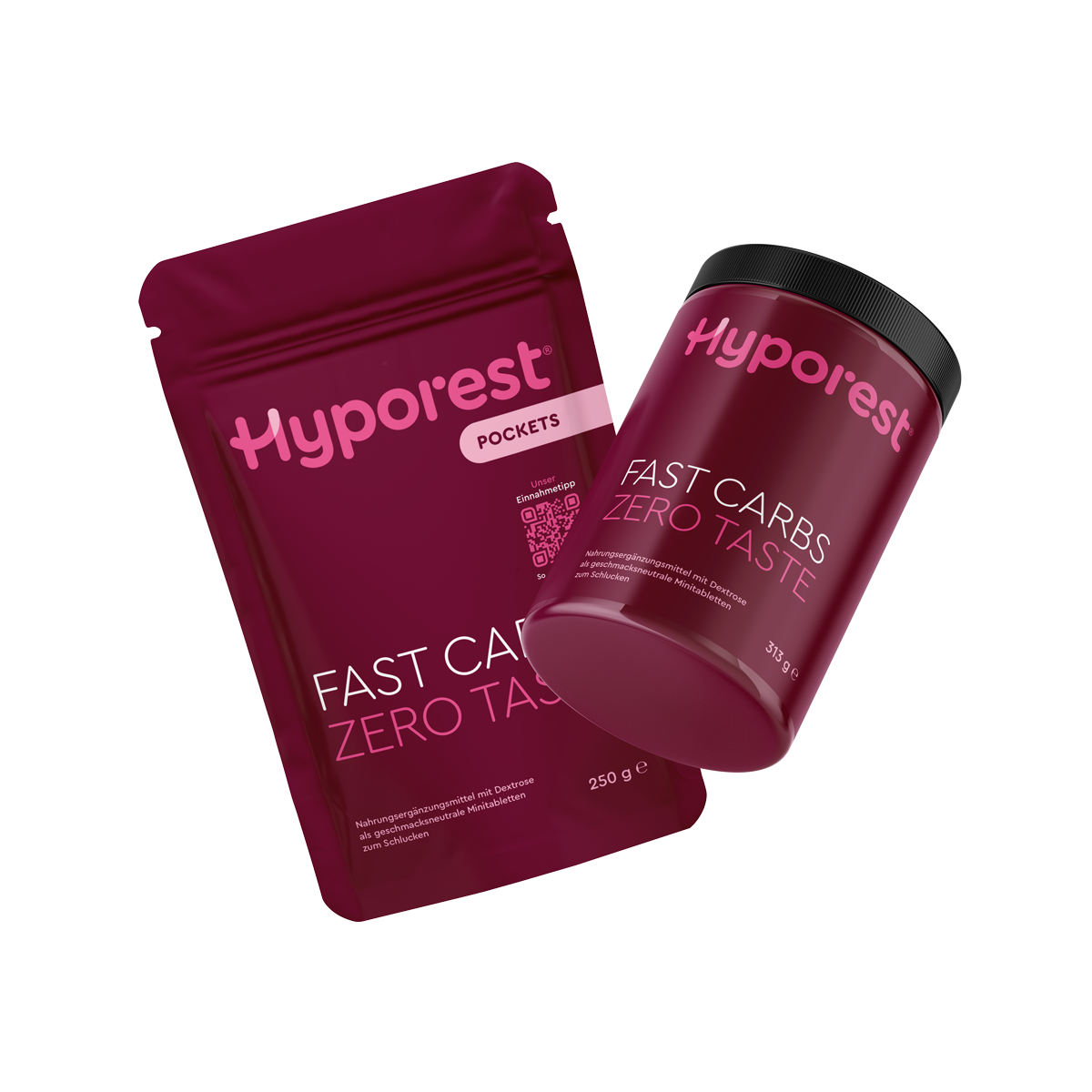
Hyporest contains dextrose in swallowed form and is therefore tasteless. This is particularly important for users who Avoid sweet reward effect in order not to unnecessarily condition the brain to sweet stimuli. In addition, there is no direct sugar contact with the teeth, which protects dental health.
Hyporest in sports: focus on performance
In contrast to bars or gels, which often contain flavors and complex sugars, Hyporest enables a purely functional supply of energy. Why hyporest The fact that it is a precise alternative for athletes is reflected in its easy dosage: the amount of carbohydrates can be adjusted precisely to the current needs without putting sticky strain on the mouth.
Conclusion
A targeted energy supply is the key to consistent performance in sport. If you learn to catch hypoglycemia early, you can make your training more effective. You can find further details on use during periods of stress in our guide Dextrose in sports.
Medical notice:
The information provided is for general information purposes and does not replace medical advice. If you have any health questions, you should always consult a specialist.
Sources
- [1] Hyporest: Dextrose in sports & energy supply
- [2] NCBI Bookshelf: Glucose Metabolism
- [3] DGE: Carbohydrates in the diet
Editorial note:
This article has been carefully researched and is intended to provide general information. The content is created, checked and updated by the Hyporest editorial team.