We eat a lot of sugar anyway, but even more so during the holidays. Many people resolve to be more conscious of their sugar consumption in the new year. In order to implement this resolution, it helps to take a look at the Dextrose in foodsto identify hidden sources early.
Why is it so difficult for us to give up sugar?
Sugar activates the reward system in the brain by stimulating the release of dopamine. This mechanism can increase cravings for more sweets. This knowledge is particularly important for people with diabetes sugary-sweet rush and to better understand the associated emotional control of eating behavior.
What happens if we reduce sugar?
Reducing the consumption of free sugars can help you manage your daily energy intake more consciously. Many people report more stable eating habits when they Keep blood sugar levels constant and thus avoid the typical “roller coaster ride” of steep climbs and deep drops.
Can you always just avoid sugar?
A complete waiver does not make sense in all situations. In certain contexts - such as high cognitive demands - glucose plays an important role, as research shows Dextrose and the brain shows. Even in the case of acute hypoglycemia, rapid intake of carbohydrates is medically necessary.
How can Hyporest support this?
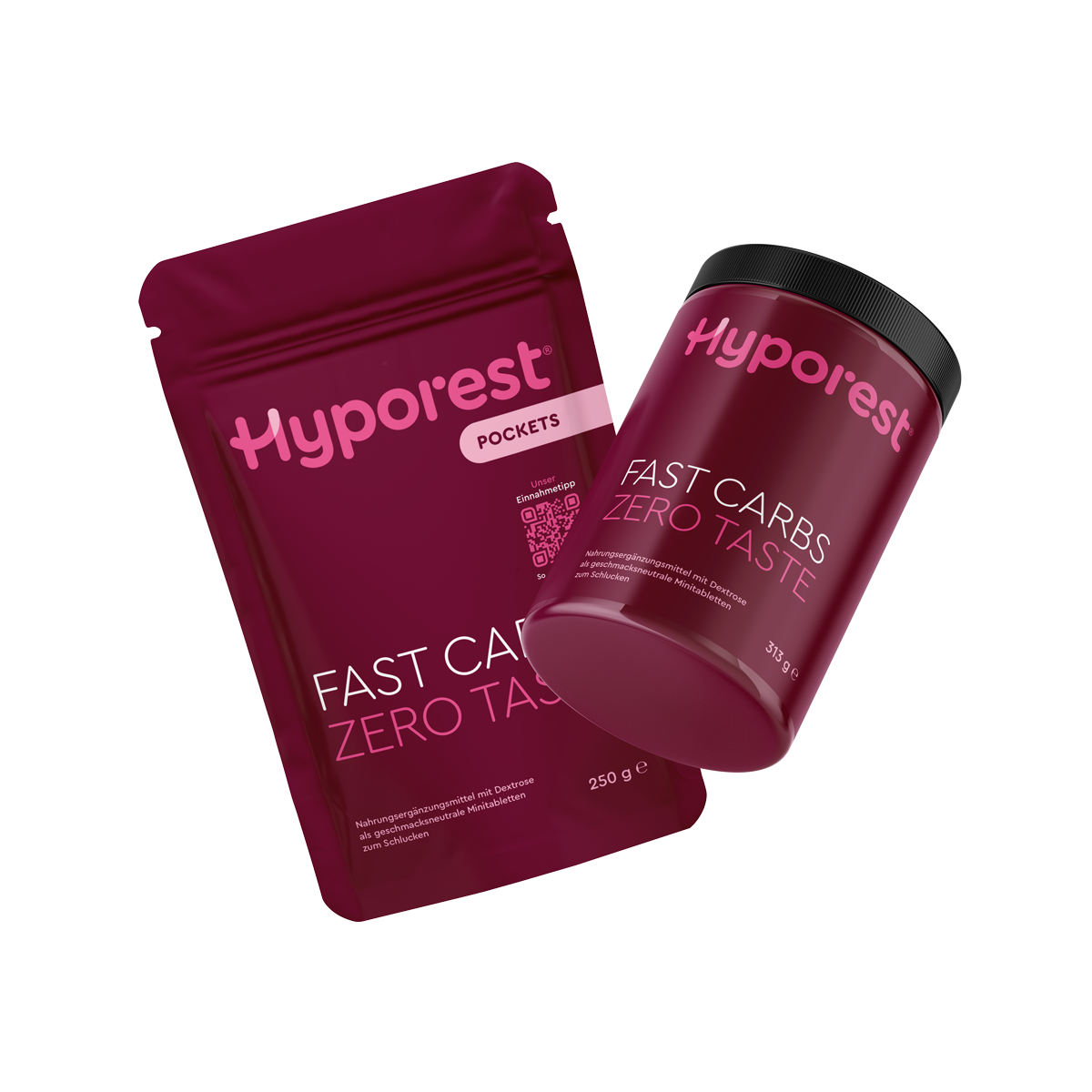
Hyporest contains dextrose in swallowed form and is therefore tasteless. This is a crucial advantage for users who Avoid sweet reward effect want to break the neural conditioning to sweet stimuli. In addition, absorption occurs without direct sugar contact with the teeth.
Precision instead of routine
The fine dosage allows the carbohydrate intake to be controlled very precisely. Why hyporest A practical solution in everyday life and especially at night lies in this functional application: the blood sugar is balanced in a targeted manner without the brain being sent on a "food search" again by taste signals.
Conclusion
Conscious enjoyment begins in the mind. Those who understand the neurobiological background can make more informed decisions. For successful implementation in everyday life there is also one precise dextrose dosage helpful for responding to physical needs without falling back into old patterns.
Note:
This information is for general information purposes and does not replace medical advice. If you have any health questions, please contact a healthcare professional.
Sources
- [1] NCBI: Sugar intake and dopamine signaling
- [2] Harvard Health: Sugar and the brain
- [3] Nature Neuroscience: Brain reward circuits
Editorial note:
This article has been carefully researched and is intended to provide general information. The content is created, checked and updated by the Hyporest editorial team.