Suddenly your hands shake, your heart beats faster, a cold sweat appears on your forehead - and your cravings can hardly be controlled. Anyone who hears these symptoms usually immediately thinks of diabetes.
In fact, blood sugar can drop even in people with a healthy metabolism. But when does the condition really become medically relevant? The so-called is crucial Whipple triad. True hypoglycemia only occurs when a low reading is accompanied by typical symptoms and these symptoms disappear promptly as soon as carbohydrates are consumed.
When does it become critical? The limits
Not every small phase of weakness in everyday life is real hypoglycemia. For people without diabetes, values are below 50 mg/dl (2.77 mmol/l) in connection with symptoms as clinically relevant. A value below 40 mg/dl is considered clear laboratory evidence. Important to know: Conventional rapid fingertip tests are often inaccurate in these low areas. For a confirmed diagnosis, laboratory-accurate procedures by the doctor are necessary.
What is interesting, however, is that many people feel bad at levels around 70 mg/dl. This is often not because of the absolute value, but because of the Speed of decline. If blood sugar drops quickly - by more than 1 mg/dl per minute - the body sounds the alarm much more violently than if it drops slowly.
Symptoms: When the body switches to emergency power
The body reacts to the lack of energy in two stages. They come first adrenergic early symptoms on: The body releases stress hormones, which leads to trembling, palpitations, sweating and restlessness. If these signals are ignored, they will follow neuroglycopenic late symptoms. Here the brain suffers directly from the lack of sugar, which manifests itself in difficulty concentrating, visual impairments or confusion. In severe cases, this can lead to loss of consciousness. The emergency doctor must then be called immediately.
You can find concrete tips for emergencies here: Hypoglycemia – What helps immediately?
The 3 most common causes in non-diabetics
1. Reactive hypoglycemia
This is the most common form. It occurs two to five hours after a meal - especially after high-carbohydrate foods such as white flour products, Danish pastries or sugary juices. The blood sugar shoots up rapidly, whereupon the body reacts with an excessive release of insulin. The result: Blood sugar then literally plummets.
2. Fasting hypoglycemia
This form usually appears more than six hours after the last meal. Triggers can include intense physical exertion, long breaks from eating or drinking alcohol the evening before. Alcohol is particularly tricky here because it inhibits the production of new sugar in the liver and weakens the body's natural counter-regulation.
3. Hormonal and rare causes
In rare cases, there may be organic causes such as insulin-producing tumors (insulinomas) or autoimmune processes. Genetic characteristics such as hereditary fructose intolerance can also play a role. Anyone who regularly suffers from severe episodes should have this checked by a specialist. Background information about the mechanisms can be found here: Hypoglycemia – causes and what really helps.
Conclusion and prevention
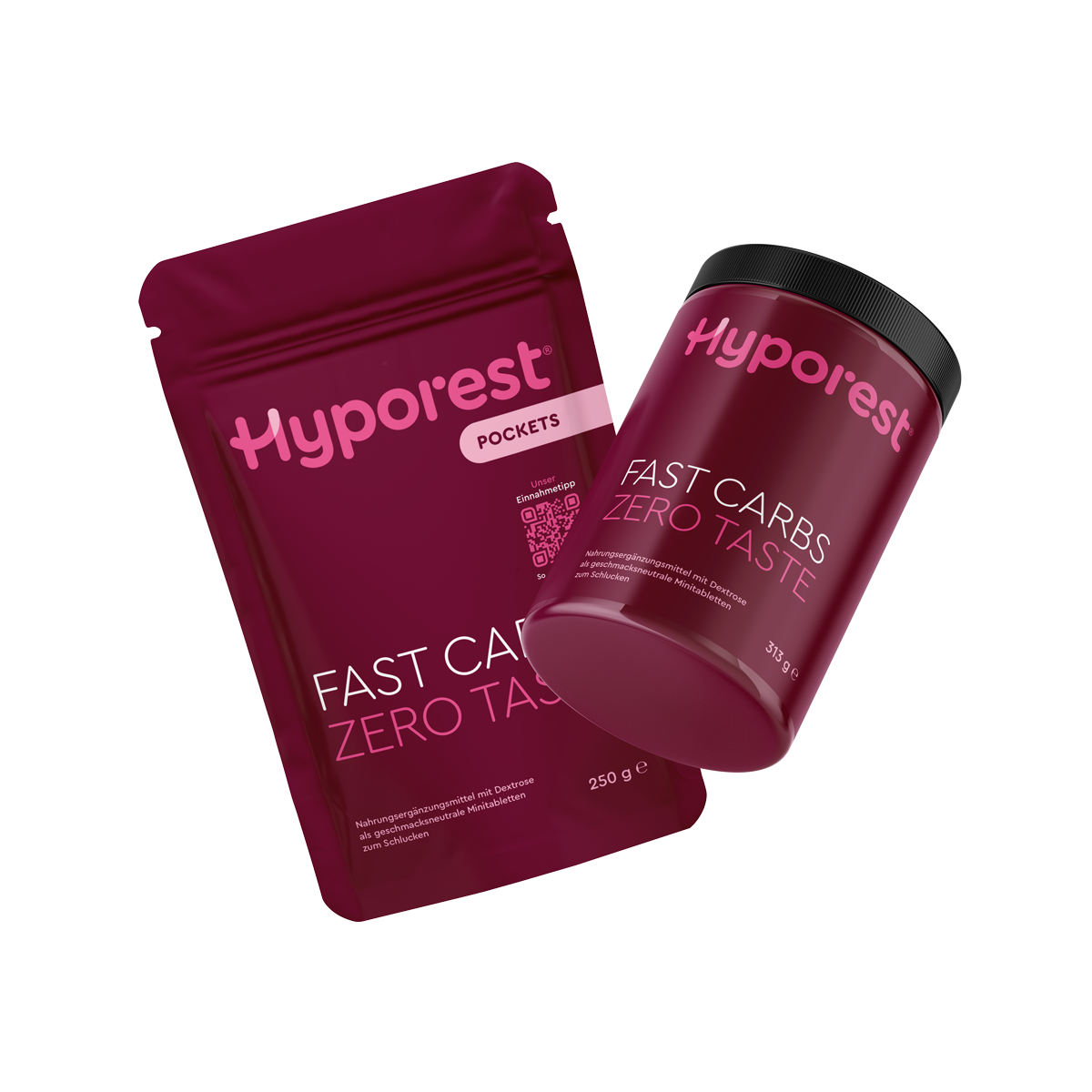
Hypoglycemia without diabetes is possible, but is usually a result of dietary habits or lifestyle factors. If you tend to fluctuate, you should rely on complex carbohydrates, fiber and proteins to keep your blood sugar level stable. You can find out here why fast carbohydrates without unnecessary sweetness make sense for many sufferers in acute cases: Why Hyporest?
Sources
- Meyer J. et al.: Rational diagnostics and therapy in internal medicine, Elsevier 2018. Elsevier Publishing
- Melzer M.: Low blood sugar without diabetes - causes and classification. Pharmacy look around
Medical notice:
This article is for general information purposes only and is not a substitute for medical advice, diagnosis or treatment. If you have repeated or severe symptoms, you should seek medical advice.
Editorial note:
This post was written by the Hyporest editorial team created on the basis of the specialist sources mentioned.