Daniela Mika has been accompanying people with diabetes for two decades - in everyday hospital life as well as in freelance projects, in specialist events and in direct exchange with her community. Her work combines medical expertise with lived reality.
As a diabetes consultant at the Lippstadt Clinic, organizer of formats such as “Zuckertalk” and initiator of an insulin pump get-together, she stands for an approach that goes beyond guidelines: close to people, practice-oriented and empathetic. We immediately noticed their commitment and enthusiasm.
In the following interview we talk about technological developments in pump therapy, underestimated challenges in everyday life - and about why new, solution-oriented approaches such as Hyporest can be a relevant addition from your point of view:
Daniela, you have been working with people with diabetes for 20 years. Your motto is: “Success always comes when you do what you love.” What exactly do you love about your work today as much as you did on the first day?
Daniella: „I love helping people. For me that is the most important and the most beautiful thing about my work. I try to see patients holistically and be there for them. At the same time, I love being able to be creative, be it at my events or in exchanges with colleagues.”
You know both sides - everyday hospital life and the economy. How does this mix help you to advise patients not only medically, but also realistically?
Daniella: „The A mix of clinical and freelance work allows me to look at the needs of patients from different perspectives. In clinical practice, I gain direct experience with patients' challenges, while my freelance projects allow me to develop creative solutions. For example, I organize professional events, such as the Novoakademie's experience seminar, where we take on the roles of patients. This experience promotes empathy and understanding of their reality. I also plan events like “Zuckertalk,” where I regularly interview patients while a professional audience watches. These formats enable us to gain deeper insights into everyday life with diabetes and to combine medical advice with practical realities of life.”
With your pump get-together and your “sugar talk” you have created a great community. Why is this exchange at eye level often the best complement to classic therapy?
Daniela: "The exchange at eye level promotes understanding and support among those affected. In my "sugar talk" and the insulin pump get-together, patients have the opportunity to share their experiences and learn from each other. This community creates a sense of belonging and encourages participants to speak openly about their challenges. It’s often the little tips and personal stories that help patients cope with their everyday lives better and feel less alone.”
You are a specialist in insulin pumps. In your experience, what is the biggest “game changer” for quality of life when someone switches to this technology?
Daniela: „The biggest game changer in pump therapy are the new algorithms of modern insulin pump systems. Over the last 20 years, I have seen how these developments have significantly improved patients' quality of life. You can now go to bed with peace of mind, for example, without having to worry about waking up with blood sugar that is too high or too low. This relieves patients of a lot of stress and contributes significantly to better blood sugar control and quality of life.”
Tell us about the pump get-together. How did this come about?
Daniela: „The Insulin pump regulars' table was created at the request of many patients who wanted an exchange. I launched it at the Lippstadt Clinic and at the first meeting there were around 20 patients who used different insulin pump systems. We founded a WhatsApp group that now has 35 members. Our meetings are very flexible: anyone who is new introduces themselves briefly, questions about diabetes are discussed together and news is presented. Last year we organized a special celebration for Christmas where we ate together, laughed a lot and exchanged ideas. The exchange is valuable because there are so many experiences - from young adults to older participants over 80. I gain a lot of input for my work as a diabetes consultant.
If you look at the last 20 years: What is the biggest hurdle in your patients' everyday lives today that you often can't even see from the outside?
Daniela: “One The biggest challenge is hypoglycemia. Patients constantly have to have glucose or sweets with them, which is very stressful, especially when they don't feel like it. Fear of losing control is also a major hurdle. While high blood sugar levels are often easier to manage, the acute risk of hypoglycemia is a constant source of stress. Fortunately, with AID systems, these situations occur much less frequently, but they cannot be completely avoided.”
Medicine is one thing, but everyday life is another. How important are approaches like Hyporest, which go beyond just basic care, to you?
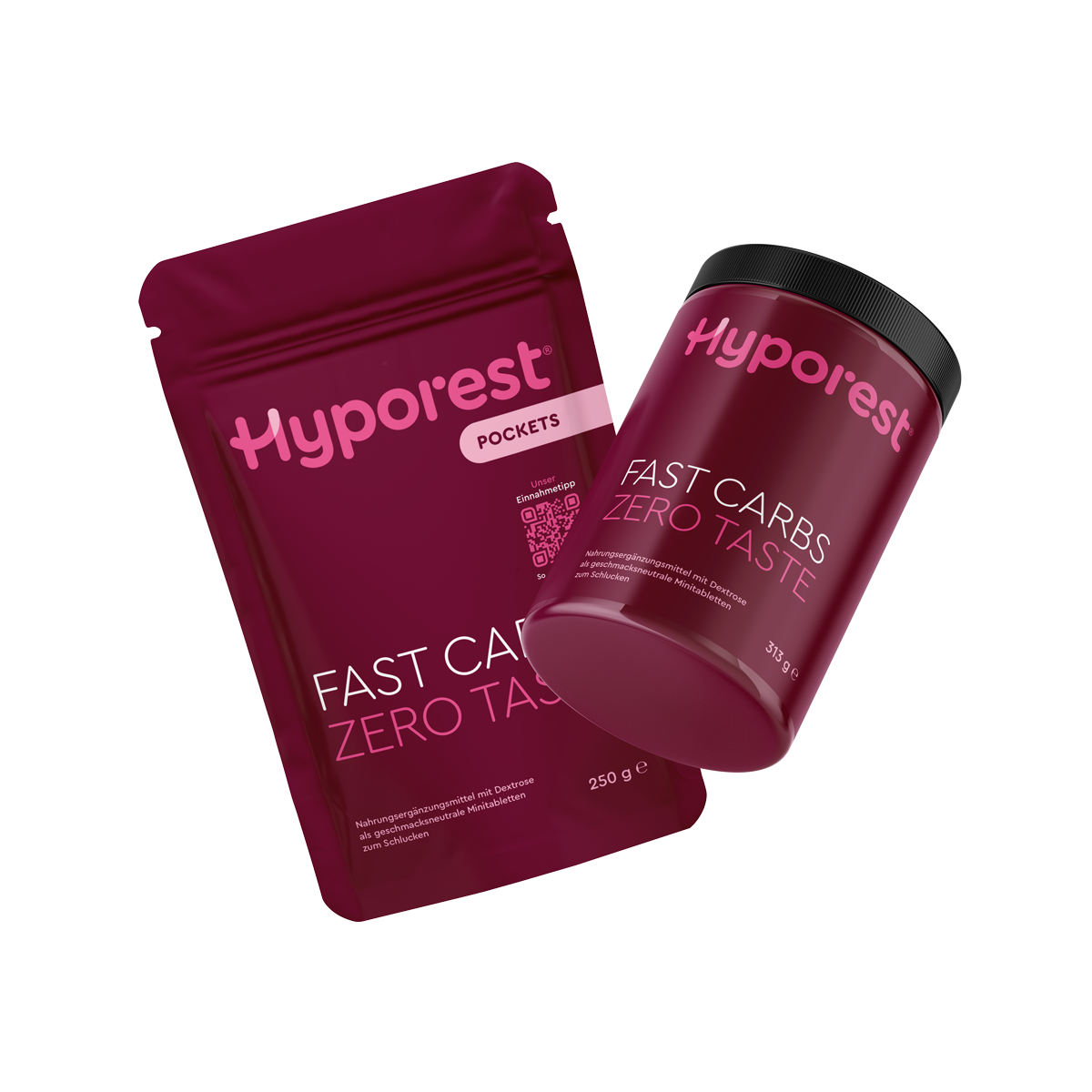
Daniela: „Hyporest is a great innovation. When I heard about it, I immediately thought that it was long overdue to develop something like this. In my 20 years as a diabetes consultant, I have often heard patients say, “I can’t see glucose anymore!” or “Oh no, not something sweet again!”. It's all the better that there is now a tasteless product that raises blood sugar. I always introduce it during pump settings because I think patients should know about it. It's particularly practical at night, because hardly anyone wants to have to get up in the middle of the night and eat or drink something sweet. I have patients who use it preventatively in small doses, which gives them peace of mind. It’s a great opportunity to act independently of other factors such as appetite or taste.”
There are many offers in diabetology. As a professional, what do you pay particular attention to when deciding which concepts or partners to recommend to your patients or community?
Daniela: “That The most important thing is that these are reputable products that can help people with diabetes in everyday life. I introduce different products in my pump get-together group or in my WhatsApp status if I think they could benefit my patients. When I first saw Hyporest, I was convinced that it could be helpful for my patients and I received very positive feedback. My patients appreciate it when I introduce them to new, innovative products that they might not have discovered on their own.”
Where do you see the greatest intersection between your work and Hyporest's mission?
Daniela: „I see the greatest overlap in supporting my patients with insulin therapy. When I put a patient on insulin, I also recommend Hyporest as an option alongside classic aids such as glucose or juice. It is important for patients to know that they have different options to treat hypoglycemia. Of course, they have to make the decision for themselves as to what works best for them.”
We want to provide information on our blog, create added value and break down barriers. In your opinion, how important is it that professionals like you act as a mouthpiece here?
Daniela: "It's great that I can talk about my everyday life and give insights into my perspective. Professionals like me, who stand by patients every day, experience many individual fates and challenges. It is important that we are heard as the voice of the patients in order to convey a more comprehensive picture of reality."
What advice do you give to people with diabetes who currently have the feeling that they lack the ease in dealing with the disease?
Daniela: “I I always like to refer you to my insulin pump regulars' table, because the exchange with other sufferers is good for many people and helps them to live better with the disease. I try to meet patients where they are and often ask about other things in their lives that are bothering them. It's not just about blood sugar levels; We are all human and, in addition to the illness, we also have other issues that stress us. Sometimes blood sugar is just a minor issue. This holistic approach is very important to me.”
If you could have one wish for the diabetes community - where would you like it to go in the next few years?
Daniela: “I hope that we all become more empathetic, especially in the field of medicine. It is important that we work with people with diabetes and not just talk about them. Often we only work according to guidelines without seeing what really supports the patient in everyday life. I think it’s crucial that we work together to better support people with diabetes, with solutions that they can actually use in everyday life.”
Daniela, you have seen countless concepts come and go in 20 years. Why do you find Hyporest’s approach so exciting in the context of modern diabetes education?
Daniela: „I find Hyporest exciting because it is something completely new that didn't exist before and it is totally solution-oriented. It's great that we now have a product that gives people with diabetes the opportunity to act according to their needs."
From your daily practice you know where there are problems in everyday life. What specific added value does Hyporest bring to those affected in their daily self-management?
Daniela: "The added value of Hyporest is that patients can decide for themselves whether they want to use something with a flavor or a neutral product to treat their hypoglycemia. This flexibility is very important in everyday life, as it allows people to dose better and take their own preferences into account. I have patients who say that they only use it at night because they don't want a sweet taste at that time. Others take it preventatively when they feel that their blood sugar might drop. There are also patients who use classic products like Dextrose can cope well, but many are very grateful that they found out about Hyporest."
If you are approached about Hyporest in your community and give your regulars a sample, what is the feedback from those who try it out?
Daniella: „The feedback is mixed. I have participants who say they don't need it, but also many who are enthusiastic. Especially when they realize that they now have an effective and tasteless option for their hypoglycemia, life with diabetes becomes a little easier again."
We would like to thank you very much for the interview, Daniela!
Conclusion
The interview with Daniela Mika shows how much modern diabetology relies on empathy, technological progress and real exchange. Between algorithms, regular table discussions and individual realities, a picture emerges that goes beyond pure numbers and guidelines.
Their approach makes it clear: Progress in diabetes care not only means better technology - but also better conversations, more choices in everyday life and solutions that are based on the actual needs of those affected.
Experience here more about Hyporest.