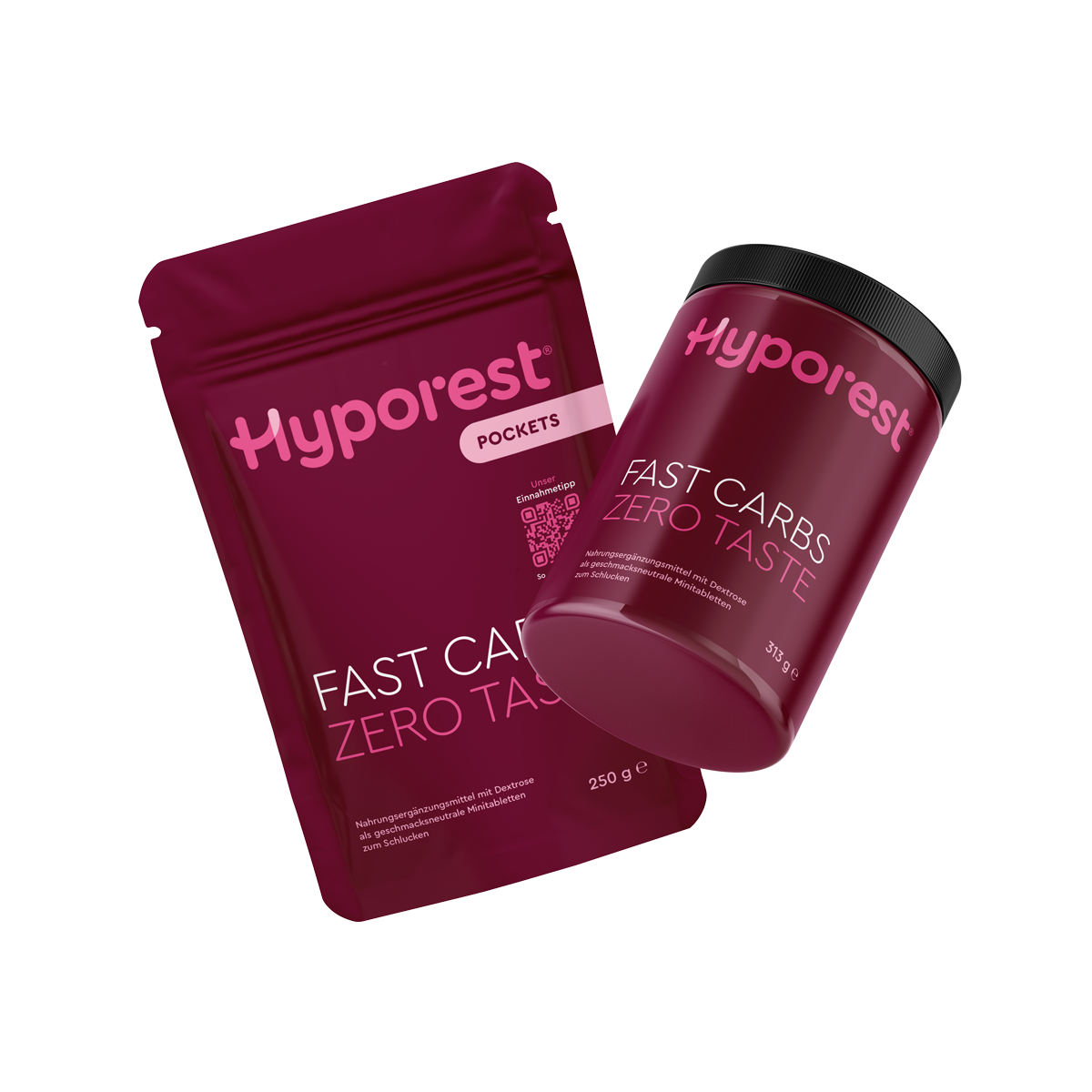
Hyporest is a tasteless alternative to classic glucose. After ingestion, it provides the body with quickly available carbohydrates in the form of glucose without leaving a sweet taste in the mouth. This is particularly relevant for people with diabetes who need a reliable and rapid carbohydrate intake in case of hypoglycemia are dependent.
Diabetes and the role of insulin
Insulin plays a central role in metabolism as it enables the transport of glucose from the blood into the cells. In type 1 diabetes, the body no longer produces its own insulin, which requires a lifelong external supply. About the to keep blood sugar levels constant, those affected must precisely coordinate their carbohydrate intake and insulin dosage.
Controlled energy supply in everyday life and sports
In situations where blood sugar drops sharply, rapid stabilization is vital. Everything you need to know about how to act correctly can be found in the area Hypoglycaemia – causes and immediate help. But controlling glucose is not only crucial in rest mode, but also during physical activity: A look at the requirements of Dextrose in sports shows how closely energy requirements and metabolic management are linked.
Why Hyporest?
Hyporest offers a special dosage form: The dextrose is swallowed, has a neutral taste and does not come into direct contact with the teeth. Why hyporest What is perceived as a relief, especially at night or after brushing your teeth, is due to the avoidance of the sticky-sweet stimulus in the mouth. In addition, the shape allows a precise dosage of glucose, which makes controlled countermeasures easier. If you want to delve deeper into the biochemical background, you can find it in Pillar Dextrose knowledge the necessary basics.
Conclusion: Focus on functional care
Without the sensory reward effect of sweetness, Hyporest supports a purely functional energy supply. This can help in everyday diabetes to focus on what's important: stable and safe management of blood sugar fluctuations.
Medical notice:
The information provided is for general information only and does not replace medical advice. If you have any health problems, please contact a medical professional.
Sources
- Robert Koch Institute (RKI): Diabetes in Germany
- diabetesDE – German Diabetes Aid: Type 1 diabetes
- NCBI Bookshelf: Glucose Metabolism
Editorial note:
This article has been carefully researched and is intended to provide general information. It does not constitute medical advice. The content is created, checked and updated by the Hyporest editorial team.