A piece of chocolate, a sip of cola, a sweet snack in between – almost everyone has a “sweet tooth”. But have you ever wondered why it's so hard to stop after one song? The answer lies in the way our brain reacts to sweet taste and how it changes blood sugar behaves in the body.
A Historical Review: The History of Sugar
Sugar is ubiquitous today - but it wasn't always that way. Originally, sweet taste was a rare commodity that was considered an evolutionary advantage for survival because it signaled rapid energy. It only became available to the general population through industrial extraction from sugar beet. A deeper insight into the chemical basis of this energy source can be found in Dextrose knowledge.
Sweet taste and eating behavior
Sweet taste can influence eating behavior on several levels. Foods with a high glycemic index, such as isolated forms of sugar such as Dextrose, lead to a rapid increase in blood glucose. The body reacts to this by releasing insulin to transport the sugar into the cells.
Sweet does not equal energy
Isolated sugar in particular can lead to rapid fluctuations, particularly in people with... Diabetes described as challenging. Many sufferers are therefore looking for ways to use quickly available carbohydrates in a targeted manner without constantly triggering the reward system with sweet stimuli.
Classification: Tasteless dextrose
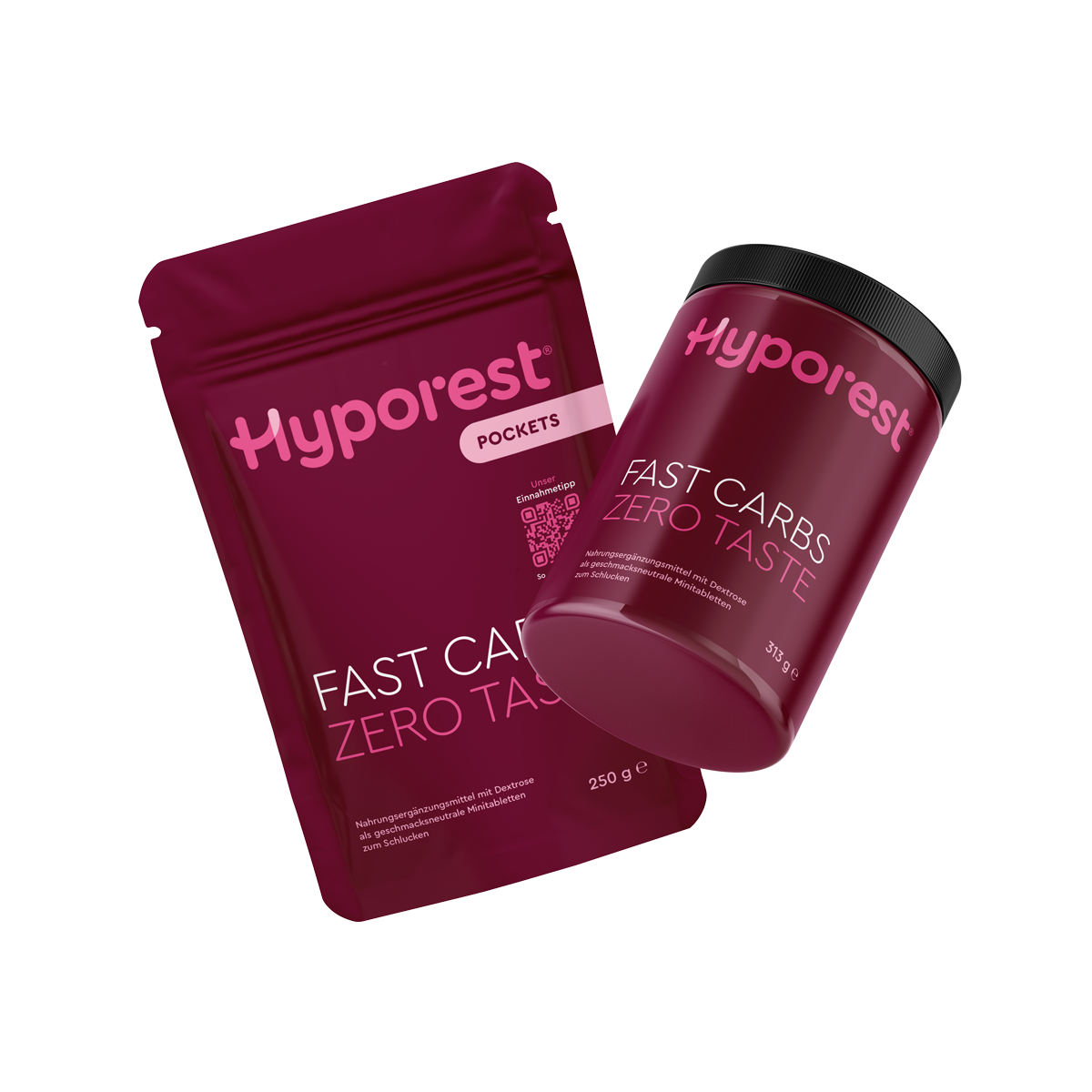
Products like Hyporest are based on dextrose and are taken in swallowed form. This means there is no sweet taste in the mouth and no direct contact with the teeth. Why hyporest A practical solution, especially at night or after brushing your teeth, is to avoid these sensory and dental stimuli.
Conclusion
Sweet taste is deeply rooted in our behavior. However, if you need quick energy without being constantly exposed to sweet stimuli, you can use alternative forms of glucose intake. This is especially for those precise dextrose dosage relevant in everyday life and during sporting activities.
Medical notice:
This article is intended to provide general information and is not a substitute for medical advice. If you have any health questions, medical advice should be sought.