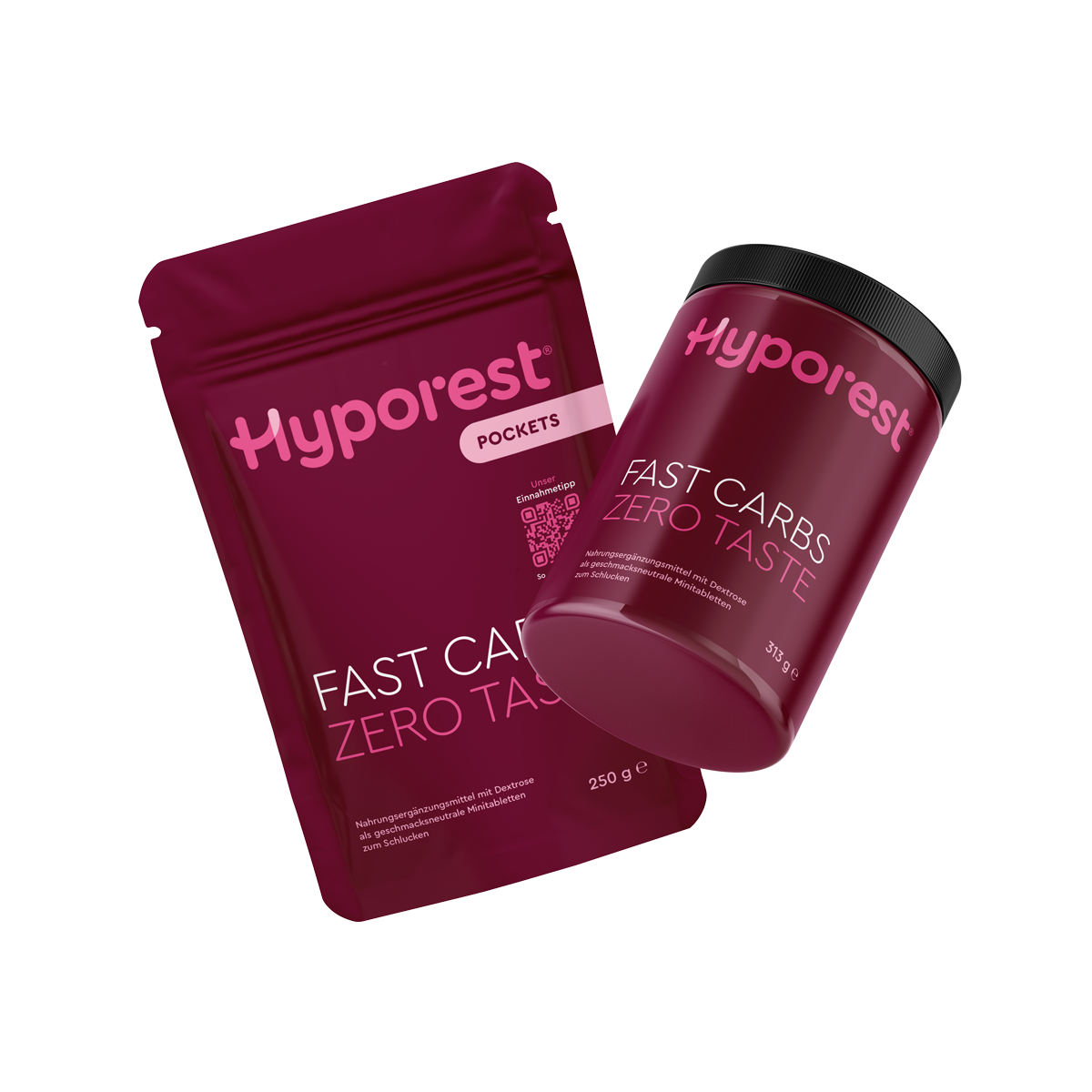
Dextrose in foods denotes the use of Dextrose (dextrose) as a functional ingredient in food production. Chemically it is identical to Glucose and, in addition to its role as a source of carbohydrates, fulfills numerous functions technological functions in workmanship, texture and durability.
Dextrose in the list of ingredients: declaration according to EU law
In the European Union, labeling is subject to the Food Information Ordinance (LMIV). If “dextrose” is listed in the list of ingredients, it is legally sugar. In the nutritional table it is listed under the position “of which sugar” reported.
The specifications also apply to manufacturers Health Claims Regulationwhen health claims are used.
Technological functions of dextrose
| Function | Technological effect | Typical application |
|---|---|---|
| sweetening | Approximately 70% of the sweetening power of sucrose | Drinks, baked goods |
| fermentation substrate | Quickly usable by yeast | Bread, beer, fermentation |
| Maillard reaction | Promotes browning and aroma formation | Crusts, meat products |
| Lowering of the freezing point | Improves creaminess | Ice cream |
| Water binding | Stabilizes texture and durability | Sausages, finished products |
What products does dextrose come in?
- Confectionery: Control of crystallization.
- Baked goods: Support yeast fermentation.
- Meat products: Substrate for starter cultures.
- Sports nutrition: Quickly available source of carbohydrates.
- Drinks: Component of isotonic solutions.
Dextrose versus sucrose
Although Sucrose and dextrose are energetically comparable (approx. 4 kcal/g), they differ technologically:
- Sweetening power: Dextrose tastes less intense than table sugar.
- Absorption speed: Dextrose is a monosaccharide and is absorbed without being broken down.
- Glycemic index: Dextrose serves as a reference value (GI = 100).
Classification for consumers
Dextrose in the ingredients list indicates the use of a simple sugars there. Their function can be technological (e.g. texture, fermentation or stabilization) and goes beyond pure sweetening. The individual rating depends on the overall nutritional profile of a product.
Further topics
Note: This article is for general information and does not replace medical advice.