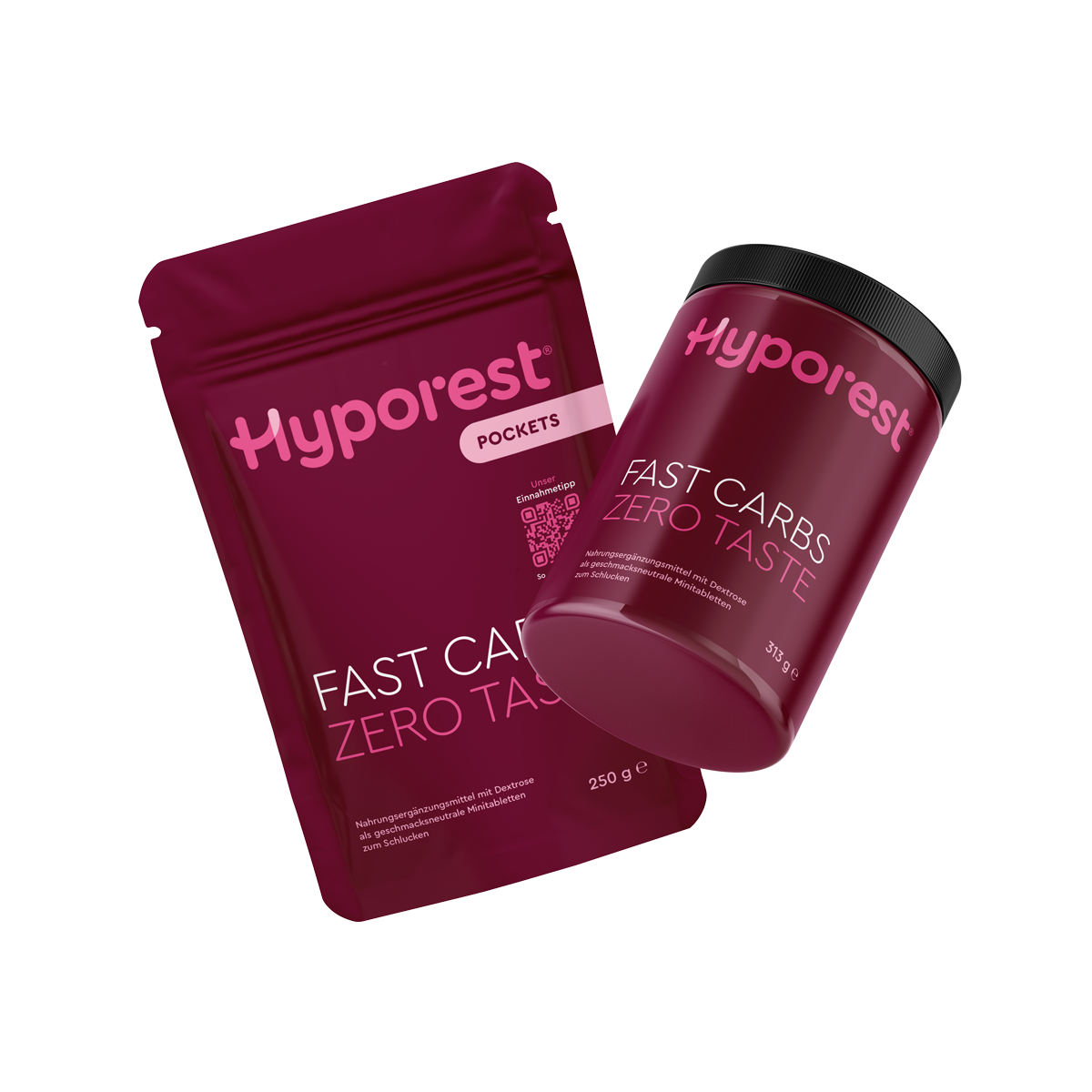
Dextrose (dextrose) is a monosaccharide and chemically identical to Glucose. Due to its simple molecular structure, it is processed without enzymatic cleavage small intestinal mucosa recorded. A measurable one Increase in blood sugar can under standardized conditions within approximately 5 to 10 minutes be observed.
How quickly does dextrose work in the body?
The Dextrose effect depends on stomach filling, dosage form and individual metabolic situation. Absorption occurs faster in a fasting state than in the context of a mixed meal.
- 1-5 minutes: Absorption begins in the small intestine.
- 5-10 minutes: Measurable increase in blood glucose.
- 10-20 minutes: Reaching the maximum concentration in the blood (peak).
Absorption speed in comparison
| Carbohydrate | Digestive step | Relative speed |
|---|---|---|
| Dextrose | No splitting required | Very fast |
| Sucrose | Split into glucose + fructose | Quickly |
| Maltodextrin | Breakdown of glucose chains | Medium to fast |
| Strength | Multistage enzymatic hydrolysis | Slowly |
Factors influencing the dextrose effect
- Stomach contents: A full meal slows gastric emptying.
- Dosage form: Liquid glucose solutions are generally absorbed more quickly than solid forms.
- Combination with fat or fiber: May reduce the rate of absorption.
- Individual insulin sensitivity: Affects subsequent blood glucose utilization.
Physiological classification
Glucose is the primary energy source Central nervous system. The rapid absorption of dextrose explains its role as a reference substance in the glycemic index (GI = 100). However, the actual metabolic response varies from person to person.
Further topics
- Dextrose for hypoglycemia
- dextrose and insulin
- Knowledge about dextrose (overview)
Note: This article is for general information and does not replace medical advice.