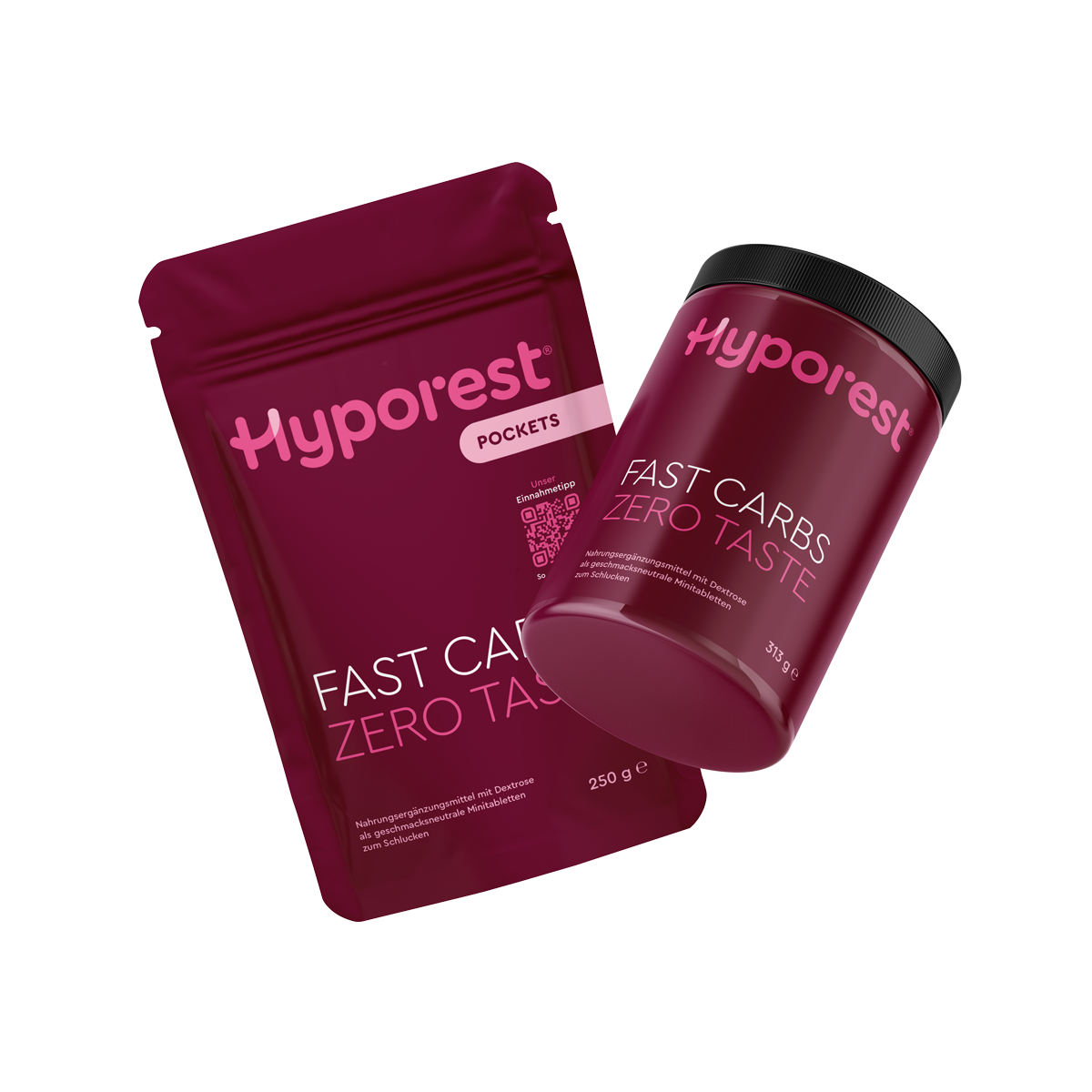
Dextrose and teeth are directly related, there Dextrose (dextrose) is a fermentable monosaccharide. Oral bacteria metabolize glucose directly into organic acids, thereby producing the pH value in the mouth sinks. If the pH value falls below the critical value, this can occur Demineralization of tooth enamel come.
How does sugar cause tooth decay?
The development of caries is a multi-stage process in which sugars such as dextrose play a central role:
- Bacterial fermentation: Microorganisms (e.g. Streptococcus mutans) convert dextrose into lactic acid.
- Acid production: The pH value in dental plaque partially drops 5,5.
- Demineralization: Calcium and phosphate are dissolved from the tooth enamel.
- Remineralization: Saliva can return minerals as long as there is enough time between sugar exposures.
Comparison: Cariogenic potential of different types of sugar
| type of sugar | Usability by bacteria | Cariogenic potential |
|---|---|---|
| Dextrose (glucose) | Can be used directly | High |
| Sucrose | Very fast; additionally promotes plaque formation | Very high |
| Fructose | Can be used directly | High |
| Strength | Delayed by enzymatic cleavage | Means |
Why frequency matters
For those Dental health It is not just the amount of dextrose that is relevant, but above all the frequency of exposure:
- Frequent feeding: Several sugar pulses per day prevent sufficient remineralization.
- Long contact time: Sticky or slowly soluble forms increase the risk of acidity.
- Snacks: Permanent pH fluctuations promote enamel damage.
The body's protective mechanisms
- Saliva: Neutralizes acids and provides minerals for repair.
- Fluoride: Increases the resistance of tooth enamel.
- Oral hygiene: Mechanical removal of plaque reduces bacterial activity.
Classification
Dextrose is like other simple sugars cariogenic substrate. Dietary habits, oral hygiene and saliva activity are decisive for the individual risk. A conscious sugar intake and adequate oral care contribute significantly to maintaining healthy teeth.
Related articles
Note: This article is for general information and does not replace dental advice.