Exercise and sport have a massive influence on our health. However, the energetic basis is just as important: nutrition determines how efficiently fuel is available to the body. In order to ensure long-term performance, it is crucial to keep blood sugar levels constant and adapt the carbohydrate intake to the load.
Every minute counts: exercise in everyday life
Recent studies suggest that even short sessions of five to ten minutes of additional walking or reduced sitting time can have significant effects on overall health. Since physical activity also influences mental freshness, researchers regularly investigate the connection between Dextrose and the brainto understand how glucose supports cognitive endurance during exercise.
Energy supplier carbohydrates
Carbohydrates consist of sugar, starch and fiber. After ingestion, they are metabolized into glucose, which is either burned directly or stored as glycogen. Since the capacity of these memories is limited, it helps to take a look at the different forms Dextrose in foodsto distinguish between complex energy suppliers and fast "boosters".
When glycogen stores are empty
During intensive sessions the reserves can be exhausted, which is often medically referred to as hypoglycaemia or colloquially referred to as “hunger.” In order to understand the biochemical background of this depletion and the efficient replenishment of stores, our Dextrose knowledge in-depth insights into human energy metabolism.
Precision instead of “sugar shock”
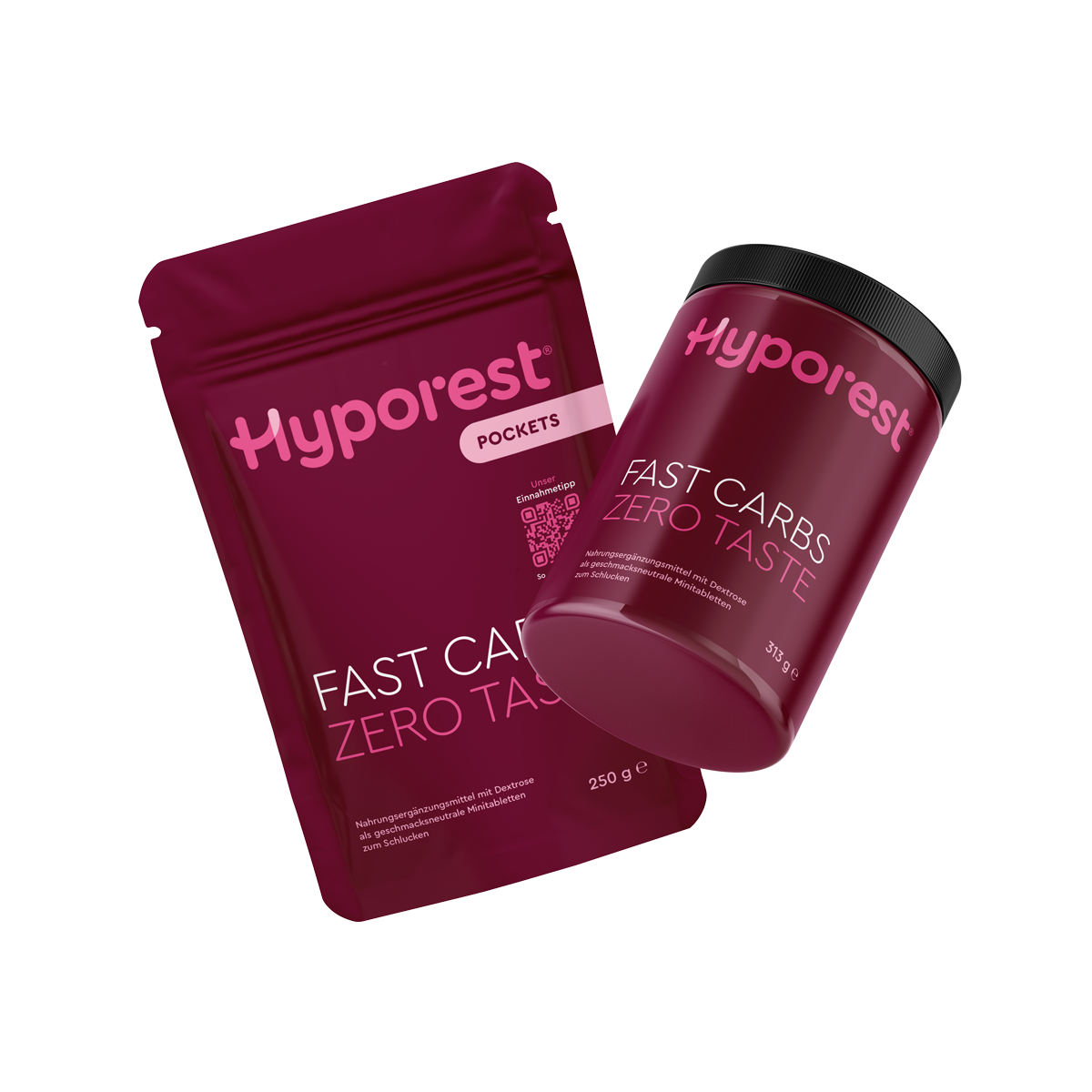
Bars or gels are often used in sports nutrition, but they are often heavily sweetened. Why hyporest Here a different approach is due to the functional dosage form: the dextrose is swallowed, which prevents the sticky film on the teeth and the Dental health Gentle - particularly important for long endurance sessions in which carbohydrates have to be consumed several times.
Conclusion: situation-dependent intake
The amount of carbohydrates that makes sense depends on the sport and training goal. One precise dextrose dosage enables athletes and people with diabetes alike to respond to their body's signals without putting unnecessary strain on the digestive system or insulin levels. You can find further tips for use in our guide Dextrose in sports.
Medical notice:
This article is intended to provide general information and is not a substitute for medical advice. In the case of diabetes or other illnesses, adjustments should always be coordinated with specialist personnel.
Sources
- Cochrane Collaboration: Physical activity for depression
- British Journal of Sports Medicine: Mortality and physical activity
- Frontiers in Nutrition: Carbohydrate intake and soccer performance
Editorial note:
This article was carefully researched and is regularly updated by the Hyporest editorial team to reflect current findings from sports and nutritional science.