Imagine eating seven sugar cubes every day. In many households this is not fiction, but reality. Germans consume almost 125 liters of soft drinks per year, which often contain larger amounts of sugar than sweets. This trend is becoming increasingly problematic as liquid sugar is considered a relevant risk factor for metabolism in nutritional research.
Even the second glass is too much
Coke and sodas are at the top of the list. A glass often contains almost 27 grams of sugar - more than many specialist societies recommend for the entire day. Since liquid calories are hardly filling, it is difficult to eat to keep blood sugar levels constant, which can increase the risk of type 2 diabetes in the long term.
Biochemistry of liquid sugar
Why does the body react so intensely to sweetened drinks? The sugars it contains enter the bloodstream without a barrier. To better understand the differences in the utilization of monosaccharides, it helps to take a look at ours Dextrose knowledge, which explains how quickly simple carbohydrates affect insulin response.
Less sugar, conscious consumption
There are numerous alternatives without added sugar, such as mineral water with lemon or unsweetened tea. Many people report that being more conscious about sugar leads to fewer cravings. Anyone who learns in everyday life Dextrose in foods Identifying them can help you avoid hidden sugar traps more specifically.
Targeted correction instead of a “sugar trap”
However, there are situations in which a rapid supply of energy is necessary for medical or sporting reasons. For example, if you are a diabetic hypoglycaemia If you have to cope with this, a sugary soft drink is often the first choice, but not the most gentle on your teeth.
Why Hyporest offers an alternative
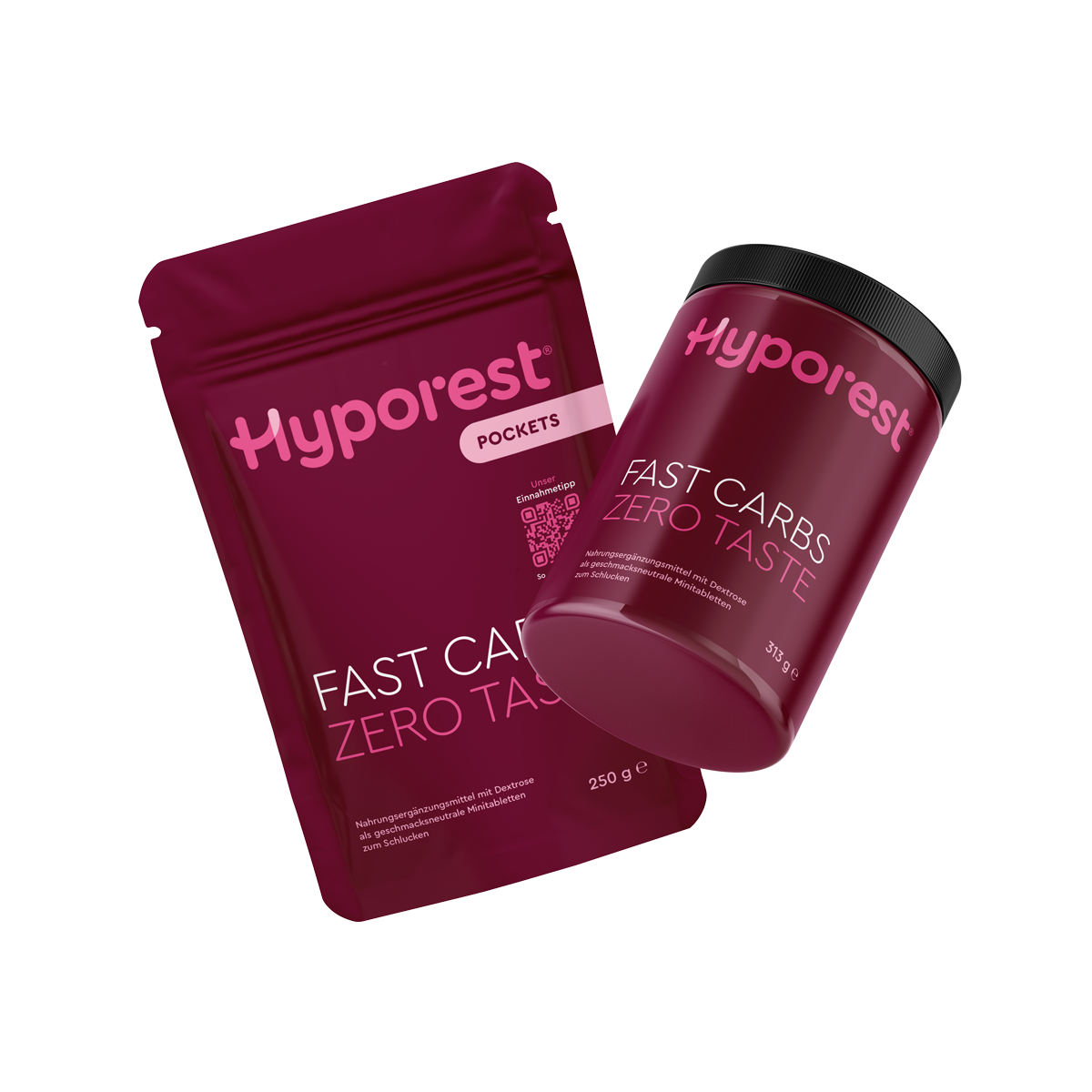
Concepts like Hyporest come into play here: They offer pure energy in a swallowed form. Why hyporest Particularly useful for health-conscious people is because of the neutral absorption. In contrast to soft drinks, it is consumed without any sweet appeal and without putting any strain on tooth enamel with acids and sugar baths.
Conclusion
Sugar should not be an unconscious companion in the drink, but rather a tool that we use specifically. One precise dextrose dosage makes it possible to respond to the body's needs without falling into the trap of excessive soft drink consumption.
Note: This article is intended to provide general information and is not a substitute for medical advice. If you have any health questions, please contact a healthcare professional.
Sources
- Statista (2024): Soft drink consumption in Germany
- Tufts University (2024): Sugar-sweetened beverages and disease burden
- Foodwatch (2024): Market check for soft drinks
Editorial note: This article has been carefully researched and is intended to provide general information. The content is created, checked and updated by the Hyporest editorial team.